
What is polyurethane foam?
Polyurethane foam is a flexible foam made by reacting two main ingredients, polyols and diisocyanates, which expand into a network of tiny cells. Change the formula and you change the result: softer or firmer, lighter or denser, quick to bounce back or slow to recover like memory foam.
It is the most common cushion foam in the world, used in mattresses, sofas, car seats, and pet beds, because it can be tuned so precisely. Two families matter for buyers (our materials guide covers the full range):
- Polyether polyurethane is open-cell, breathable, and resilient. It also resists moisture well, which suits pet products that get washed, slept on, and occasionally accidented on.
- Polyester polyurethane is firmer with higher tensile strength. It is used more in technical and industrial applications than in pet beds.
Memory foam, technically called viscoelastic polyurethane foam, is a polyurethane foam formulated to soften with body heat and recover slowly. That slow recovery is what dog owners describe as “sinking in.”
Why foam density matters so much in a dog bed

Dogs are hard on beds. They circle, dig, flop down from standing height, and sleep in the same spot every night. A 70-pound dog concentrates a lot of weight on a small area, and low density foam simply cannot recover from that night after night.
The result shows up in places buyers care about:
- Returns and reviews. “Flat after two months” is one of the most common complaints in pet bed reviews.
- Brand trust. Pet owners who feel let down by a bed tend to switch brands, not just products.
- Orthopedic credibility. Older and larger dogs need support that keeps their joints off the floor. If the base bottoms out, the comfort layer on top cannot help.
A high density base under a softer comfort layer solves most of this. It is how we build our own memory foam dog beds. The base carries the weight. The top layer provides the feel.
Which foam does each dog need?
This is the question pet owners search for most, and it is a useful starting point for building a private label range. These are typical starting specs, which a manufacturer should refine with you.
None of this means overseas sourcing is always wrong. Some programs mix both, using domestic production for core sizes and fast reorders. But for products where the foam is the product, being close to the source pays off. It is also why foam wrapping and compression has become part of so many domestic programs: a compressed bed ships in a fraction of the space.
Cushion foam beyond the dog bed
Once a brand has a reliable foam partner, the same materials extend naturally across a pet line:
- Crate pads and kennel mats in thinner high density foam
- Bolster beds combining a foam base with polyester fiber bolsters
- Car seat and travel beds that need to hold their shape in tight spaces
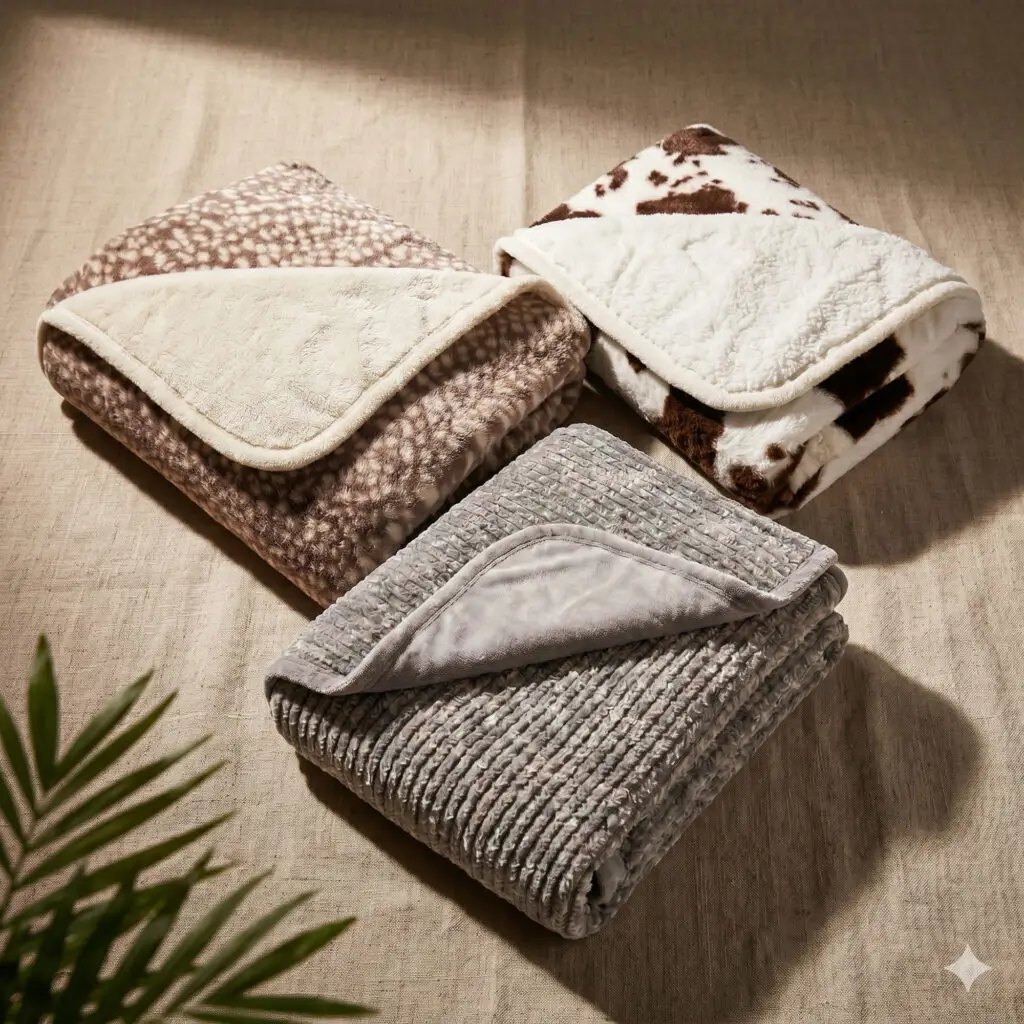
- Waterproof throws that protect the furniture dogs are not supposed to be on
- Orthopedic wedges and ramps for senior dogs
Building these from the same foam specs keeps the feel consistent across the range, which helps the line look like a collection rather than a set of unrelated products. Our pet products page shows how this works across categories.
A buyer’s checklist for high density foam manufacturers
Use these questions when you compare suppliers. A good manufacturer will answer them easily and in writing.
- Do you pour your own foam, or buy it from another plant? Manufacturers who make their own foam control density and consistency directly, from the pour through custom foam fabrication.
- What are the density and ILD specs for each layer? Get both numbers, not just “high density.”
- Is the foam CertiPUR-US certified? Ask for current documentation. Certified foams are made without ozone depleters, PBDE flame retardants, mercury, lead, formaldehyde, and prohibited phthalates, and are tested for low VOC emissions.
- How do you test consistency between runs? Ask what is measured, how often, and what happens when a batch is out of spec.
- Can you produce samples and prototypes quickly? Fast sampling shortens the time from concept to shelf.
- Do you handle sewing, filling, covers, and packaging? One partner for the whole bed means fewer handoffs and fewer delays.
- Can you compress and roll-pack finished beds? Compression packaging lowers freight costs and works well for e-commerce.
- What are your minimums and reorder lead times? Flexible reorders protect cash flow and keep shelves stocked.
- Can you support a “Made in USA” claim? Ask what is made domestically and what, if anything, is imported.
- Have you produced pet products for retail before? Retail packaging, labeling, and compliance requirements come easier with experience.
How HLJ Foam supports private label pet programs
HLJ Foam has been manufacturing foam products in the United States since 1988, with more than 450,000 square feet of production capacity in Tennessee and Missouri. We produce our own foam and polyester fiber, then fabricate, sew, fill, compress, and pack finished products under one roof.
For pet brands, that means a single partner for the full program, the same team behind the Arlee pet and home line: high density and memory foam beds, bolster beds with fiber fill, waterproof pet throws, and the packaging that gets them to the shelf. Our foams are CertiPUR-US certified, and our team works with retail brands, private label programs, and direct-to-consumer companies to turn a concept into a product that holds up through OEM and contract manufacturing.
Planning a private label pet line? Talk to our team about specs, samples, and timelines.
FAQ
What is high density foam? High density foam is foam with more material per cubic foot, usually 1.8 lb/ft³ or more for flexible polyurethane foam. It lasts longer and resists flattening better than lower density foam, which makes it a common support base in mattresses, cushions, and dog beds.
What density foam is best for a dog bed? A high density polyurethane base of 1.8 lb/ft³ or more works well for most dogs, often topped with a memory foam comfort layer. Larger and senior dogs benefit from a thicker base so they do not sink through to the floor.
Is memory foam or high density foam better for dogs? Most quality beds use both. High density foam provides the support that keeps the bed from flattening, and memory foam on top adds pressure relief. Memory foam alone is usually too soft to support larger dogs over time.
What is polyurethane foam? Polyurethane foam is a flexible foam made by reacting polyols and diisocyanates, which creates a network of small cells. It can be formulated to be soft or firm and light or dense, which is why it is used in mattresses, furniture, car seats, and pet beds.
Is polyurethane foam safe for pets? Foam that is CertiPUR-US certified is made without specific harmful substances and tested for low emissions. Like any bedding, foam should not be eaten, so beds for heavy chewers should use durable covers and be checked regularly for damage.
How long does high density foam last in a pet bed? With a good cover and normal use, a high density foam base typically holds its shape for several years. Low density foam can start to flatten within months, especially under larger dogs.
Why do retail brands choose USA foam manufacturers for private label? Domestic manufacturers offer shorter lead times, easier quality control, more flexible reorders, and the option of a “Made in USA” claim. For pet beds, where foam quality drives reviews and returns, that control often outweighs a lower overseas unit price.